
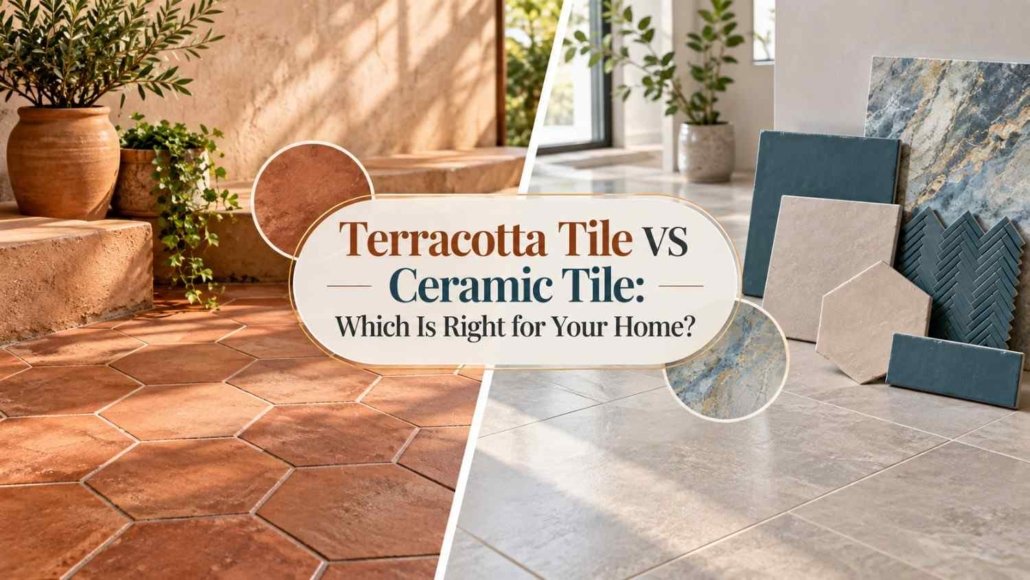
Choosing the right tile can influence the character, comfort, and functionality of a room. While color and pattern are often the first things homeowners consider, the material itself deserves equal attention. Terracotta and ceramic are both clay-based options, yet they differ in appearance, production, texture, maintenance, and design possibilities.
Understanding these distinctions can help you select a surface that works with your home’s architecture and the practical demands of the space.
What Is a Terracotta Tile?
Terracotta Tile is made from natural clay and is traditionally recognized by its earthy appearance. Its colors can range from soft orange and reddish tones to deeper brown and muted shades, depending on the clay and firing process.
Handmade terracotta is particularly valued for its natural variation. Individual pieces may have subtle differences in color, texture, edges, and dimensions. Once installed, these variations create a surface with depth and an unmistakable handcrafted quality.
This makes terracotta well suited to interiors influenced by Mediterranean, Spanish, European, rustic, and traditional design. It can also work effectively in contemporary homes, where its organic appearance can soften clean architectural lines and modern finishes.
The Tile District offers terracotta in different shapes, sizes, and finishes, allowing homeowners and design professionals to explore different ways of incorporating this material into residential spaces.
What Is Ceramic Tile?
Ceramic tile is manufactured from clay and other natural materials through a controlled production process. This allows manufacturers to create consistent pieces in a wide variety of colors, shapes, patterns, textures, and finishes.
Its versatility makes ceramic suitable for almost any design direction. A neutral rectangular tile can create a subtle backdrop, while patterned or geometric pieces can become a decorative focal point. Smaller formats can also be arranged into mosaics and other layouts.
Ceramic works well across contemporary, traditional, transitional, minimalist, and eclectic interiors because its appearance can be selected to complement the surrounding design rather than dictate it.
Comparing Appearance and Style
Terracotta and ceramic create different visual effects. Terracotta has an organic quality that comes from its natural clay composition and handmade production. Its earthy palette can introduce warmth without relying on elaborate decoration, while variations between pieces prevent the surface from looking overly uniform.
Ceramic gives you more control over the finished appearance. If your project requires a specific color to coordinate with cabinetry, countertops, furniture, or paint, ceramic collections provide numerous possibilities. Patterns and surface treatments can also be used to introduce visual interest exactly where it is needed.
For a home built around natural materials and traditional craftsmanship, terracotta may complement the existing architecture particularly well. Ceramic may be preferable when the design depends on a precise color scheme, decorative pattern, or contemporary finish.
Using Terracotta in Different Spaces
Terracotta can make a strong design statement when used across larger surfaces. In a kitchen, for example, a terracotta floor can complement wood cabinetry, stone countertops, and neutral walls. Its natural variation provides interest without requiring a complicated pattern.
Entryways and dining rooms can also benefit from the material’s substantial appearance. In living spaces, terracotta can be combined with natural wood, woven textiles, stone, and other tactile finishes to create a cohesive material palette.
Its use is not limited to floors. Depending on the specific product and technical requirements, terracotta may also be incorporated into selected wall or decorative applications. Always check the manufacturer’s recommendations before choosing a tile for a particular location.
Using Ceramic in Kitchens and Bathrooms
Ceramic is especially useful where color, pattern, or decorative detail is central to the design. Kitchens provide an opportunity to use ceramic for backsplashes, feature walls, and other areas where a relatively small installation can have a significant visual impact.
Bathrooms offer even more possibilities. A patterned wall can establish the room’s focal point, while a simple ceramic surface can create a clean background for fixtures, cabinetry, and lighting. Different shapes and sizes can be combined to create layouts ranging from understated to highly decorative.
Ceramic’s range also makes it easier to coordinate the tile with an existing interior when you are not undertaking a complete renovation.
Texture and Finish
The surface finish should be considered alongside the material. Terracotta is naturally porous, and some products may require sealing depending on where they are installed and how they will be used. The correct treatment can help protect the surface from moisture and staining.
Ceramic is available in finishes including matte, glossy, smooth, and textured surfaces. Each option interacts differently with light and surrounding materials. A glossy finish can add reflectivity to a darker space, while a matte surface may provide a more understated appearance.
Texture also affects the way a room feels. Before making a final selection, consider how the surface will look and feel under the lighting conditions of the actual installation area.
Maintenance and Installation
Maintenance requirements depend on the particular tile, finish, grout, and location rather than the material alone. Terracotta may require sealing and specific cleaning methods because of its porous structure. Following the product’s care instructions helps preserve its appearance.
Ceramic is generally easy to clean, but grout still requires regular attention, particularly in kitchens and bathrooms. Textured surfaces may also collect more dirt than smooth ones.
Installation quality is important for both materials. Proper substrate preparation, adhesive, grout, spacing, and installation techniques can influence the finished appearance and long-term performance. A qualified installer can help ensure the selected product is appropriate for the intended application.
Why Tile Samples Are Important
Choosing tile from a photograph can make it difficult to judge the true color and texture. Lighting, surrounding finishes, photography, and screen settings can all affect how a product appears.
A physical sample gives you the opportunity to compare the material with cabinetry, countertops, flooring, paint, fixtures, and furniture. This is particularly important with handmade terracotta because natural variation means individual pieces may differ.
Looking at several pieces together can provide a more realistic impression of how the material will appear across an entire floor or wall.
Making the Right Choice
The decision between terracotta and ceramic ultimately depends on the requirements of your project. Terracotta can bring natural clay tones, craftsmanship, and variation to a space, while ceramic offers extensive possibilities for color, pattern, format, and finish.
Consider the room’s purpose, exposure to moisture, amount of traffic, maintenance expectations, and existing materials before making your selection. A tile that looks beautiful may not necessarily be appropriate for every application.
The Tile District offers terracotta, ceramic, and other tile materials for homeowners and design professionals looking to create distinctive residential and commercial spaces. Exploring samples and discussing your project’s requirements can help you make a selection that balances appearance with practical performance.
Whether your preference leans toward the natural character of terracotta or the design flexibility of ceramic, the right choice can give your space a considered finish that complements its architecture and reflects your personal style.


Leave a Reply
Want to join the discussion?Feel free to contribute!